
For decades, the political landscape of Botswana was defined by a quiet, often resigned stability. But since the seismic shift of the 2024 General Elections, which saw the Botswana Democratic Party (BDP) ousted by the Umbrella for Democratic Change (UDC), a new spirit is pulsating through the streets of Gaborone and beyond. Batswana are no longer just spectators in their democracy; they are its primary architects.
In the past week alone, the country has witnessed a surge in civic participation that would have been unthinkable just a few years ago. From lecture halls to government offices, the message is clear: the people have woken up, and they expect to be heard.
The Power of the Peaceful Protest
Under the previous administration, public demonstrations were often met with a heavy-handed response. The sight of riot gear and the threat of state-sanctioned force acted as a grim deterrent to those wishing to exercise their constitutional right to assemble. Today, the atmosphere has shifted.
The past seven days have seen three major, youth-led movements that highlight this newfound freedom:
The Student Strike: University students took to the streets to protest the sudden increase in public transport fares, arguing that the hike disproportionately affects the most vulnerable learners.
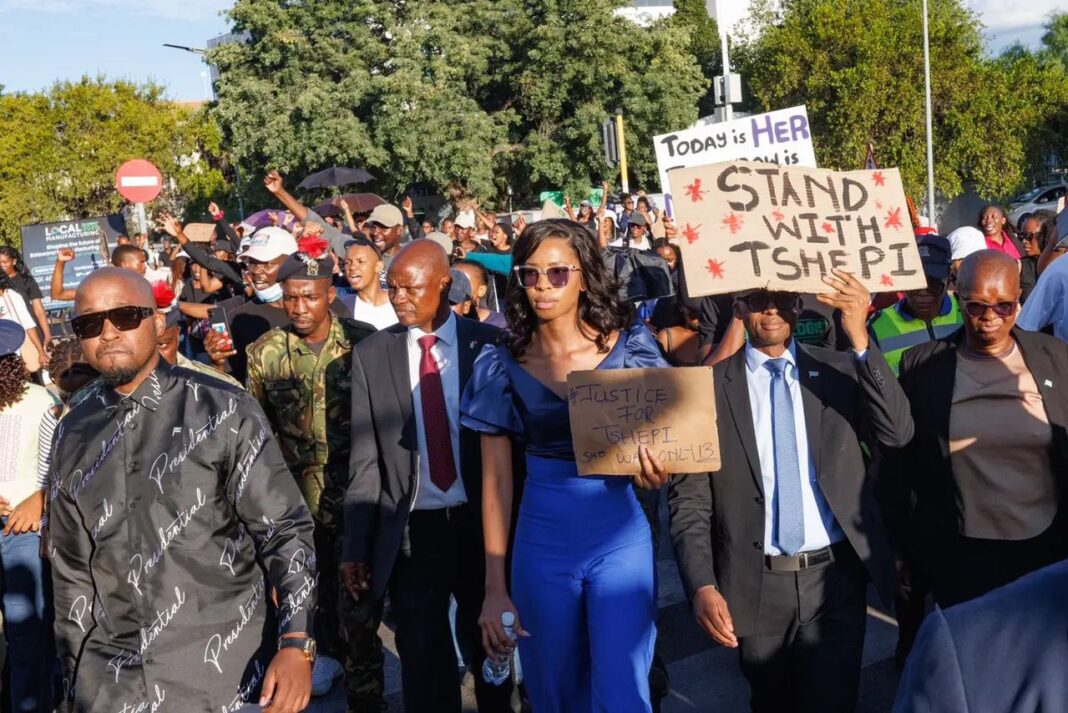
Justice for Tshepi: A poignant, somber march moved through the capital as citizens demanded accountability and systemic reform under the banner of “Justice for Tshepi,” signaling a refusal to let tragic injustices go unnoticed.
The Interns’ Manifesto: Government interns organized a peaceful demonstration demanding a clear path to permanent employment and an immediate review of their current stipends, which many describe as unlivable.
From Activist to President
The shift in how the state handles dissent can be traced directly to the Union Buildings. President Duma Boko, a long-time human rights lawyer and activist, has ushered in a governance style rooted in dialogue rather than domination.
While previous leaders were often quick to quell demonstrations to “maintain order,” the UDC government appears to be viewing these protests as essential feedback loops. By allowing these marches to proceed without the threat of violence, the current administration is validating the frustrations of the youth and, more importantly, listening.
Fostering National Pride through Inclusion
This isn’t just about protesting; it’s about ownership. For the first time in a generation, Batswana feel that the government belongs to them, not the other way around.The realization of true democracy—where the public can challenge policy without fear—is fostering a renewed sense of national pride. There is a growing sentiment that the “Jewel of Africa” is finally polishing itself from the inside out.
“We aren’t fighting the government; we are talking to it,” said one student leader during Tuesday’s march. “The difference is that now, we believe they are actually listening.
“The Road Ahead
Challenges remain, particularly regarding the economic demands of the unemployed youth and the fiscal realities of transport subsidies. However, the precedent has been set. The “Quiet Botswana” of the past has been replaced by a vocal, engaged, and hopeful citizenry.
As the UDC continues its first year in power, the world is watching. But more importantly, Batswana are watching—and they are finally making their voices heard.