
The publication of the “Summary Report of the National Forensic Audit Programme” has served as a painful mirror for the nation, reflecting a P33 billion hole in the collective pocket of every voter, taxpayer, and citizen. But as the initial shock of the numbers begins to settle, a more profound and quiet demand is rising from the streets of Gaborone to the furthest reaches of the districts. The public is no longer interested in just knowing “how much” was taken; the focus has shifted entirely to “who” will answer for it. For the people of Botswana, closure will not be found in the binding of a report, but in the clink of a cell door and the visible return of stolen wealth to the state coffers.
The social contract—the unspoken agreement that citizens pay their taxes in exchange for the honest stewardship of public life—has been severely bruised by a decade of “permissive” corruption. There is a visceral sense among the public that this was not merely a set of administrative errors, but a calculated robbery of future generations. Consequently, the expectation is high: the eighty senior officeholders and 150 contractors identified in the referral population must not be allowed to fade into quiet retirement or hide behind expensive legal counsel. True justice, in the eyes of the taxpayer, requires that those who benefited from inflated contracts and “emergency” waivers be brought to a public accounting.
Central to this demand for closure is the “clawback” of illegal gains. It is an open secret that the P33 billion lost could have built schools, upgraded clinics, and stabilised the national power grid. Therefore, the legal seizure of assets—villas, luxury vehicles, and hidden offshore accounts—is seen as a non-negotiable step in healing the national psyche. The public expects to see the state move aggressively to restore these resources, sending a clear message that crime against the state is a losing investment.
However, the road from audit findings to courtroom convictions is notoriously long and fraught with peril. The public must be prepared for a marathon rather than a sprint. Given the complexity of the eighty referral packs, realistic timelines suggest that the first major “test cases” may not reach the High Court until late 2026 or early 2027. This delay is not necessarily a sign of inaction, but a requirement for the meticulous preparation needed to withstand the inevitable legal challenges from well-resourced defendants.
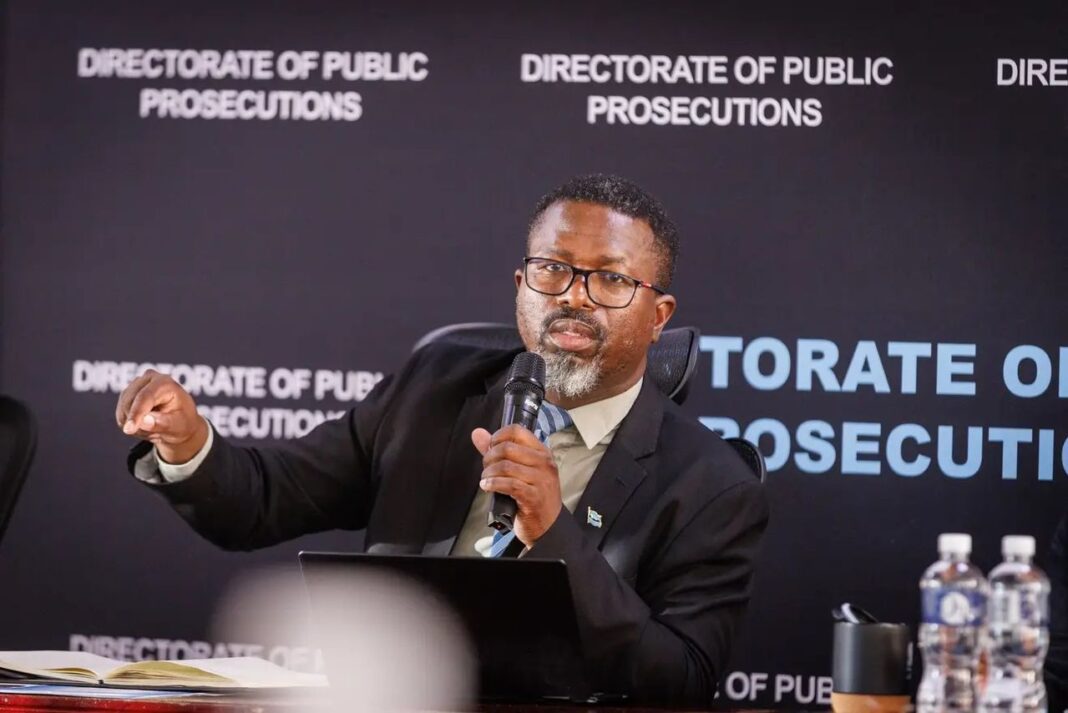
For this journey to be successful, the nation’s primary integrity institutions—the Directorate on Corruption and Economic Crime (DCEC) and the Directorate of Public Prosecutions (DPP)—must be transformed. The “Summary Report of the National Forensic Audit Programme” makes it clear that these bodies have historically been under-resourced and, at times, sidelined. To meet the public’s mandate, the government must significantly bolster these institutions with specialist forensic accountants, cyber-investigators, and seasoned prosecutors who are shielded from political interference.
The closure the nation seeks is ultimately a restoration of faith. Voters and taxpayers are watching closely to see if the law is truly blind or if it only catches the “small fish” while the architects of the P33 billion shadow remain untouched. The coming months will determine if this audit was a turning point for Botswana’s democracy or merely a post-mortem of its decline. The mandate from the people is clear: investigate, prosecute, and recover. Anything less will be seen as a continuation of the very betrayal the audit has so bravely exposed.