
The primary purpose of a trade union is both noble and simple: to champion workers’ rights, negotiate fair wages, improve workplace conditions, and protect employees from arbitrary exploitation. Historically, organized labor in Botswana has served as an indispensable pillar of social justice. In recent times, however, a noticeable shift has taken place across the national landscape. Trade unions increasingly appear to be stepping away from workplace advocacy and stepping into political power plays, casting doubt over whether they remain authentic representatives of the workforce or have morphed into self-serving political instruments.
The Politics of Endorsement and Public Feuds
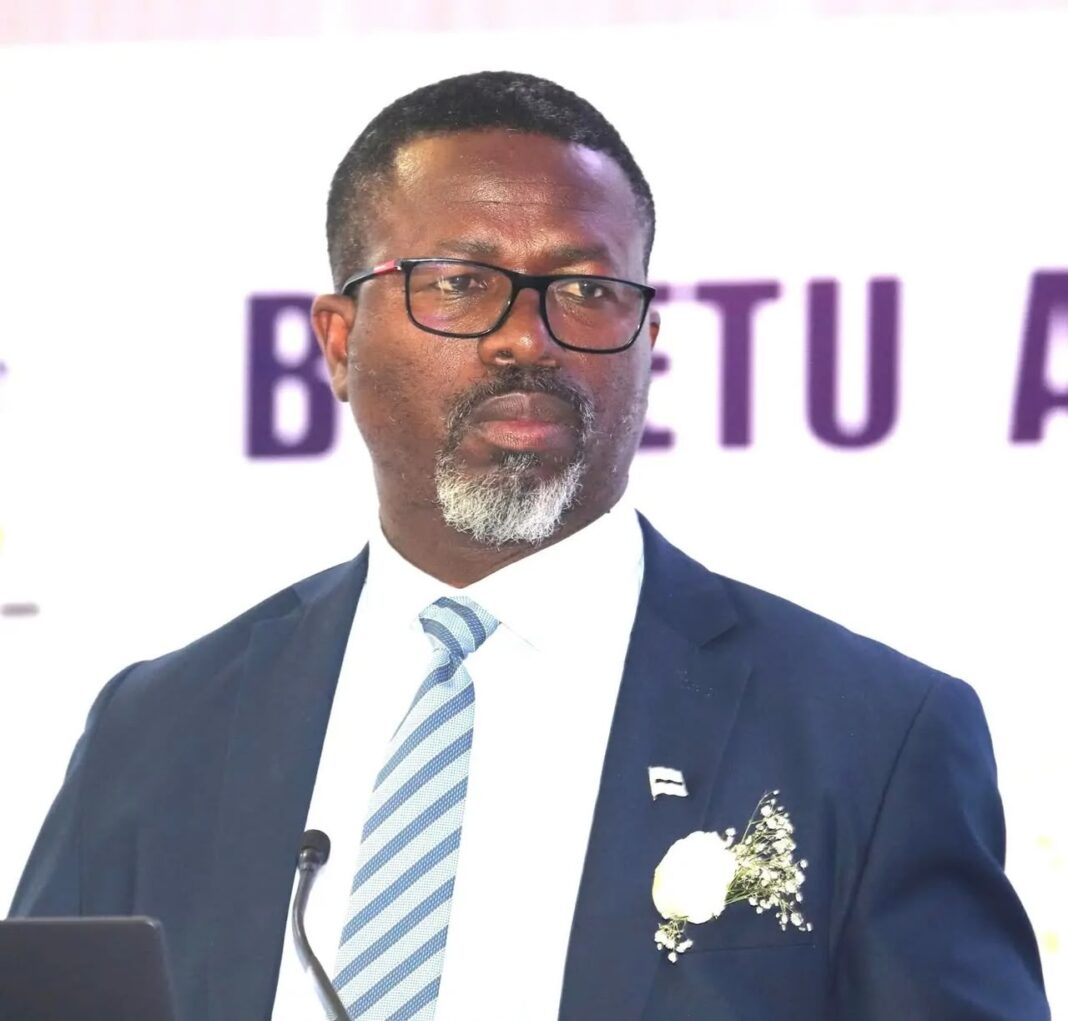
The politicization of organized labor is far from a new phenomenon in Botswana, but its manifestations have become increasingly overt. A defining milestone in this trend occurred when Johnson Motshwarakgole, the longtime unionist and chief executive voice behind the National Amalgamated Local, Central Government and Parastatal Manual Workers Union, publicly backed former President Mokgweetsi Masisi. His famous declaration that “Masisi o ka nwega moro”—implying that Masisi was a leader worth rallying behind—sent shockwaves through both the labor movement and the political establishment. Critics inside and outside union structures argued that such an explicit political endorsement compromised the movement’s prized neutral stance, effectively binding workers’ collective identity to the electoral fortunes of a single politician.
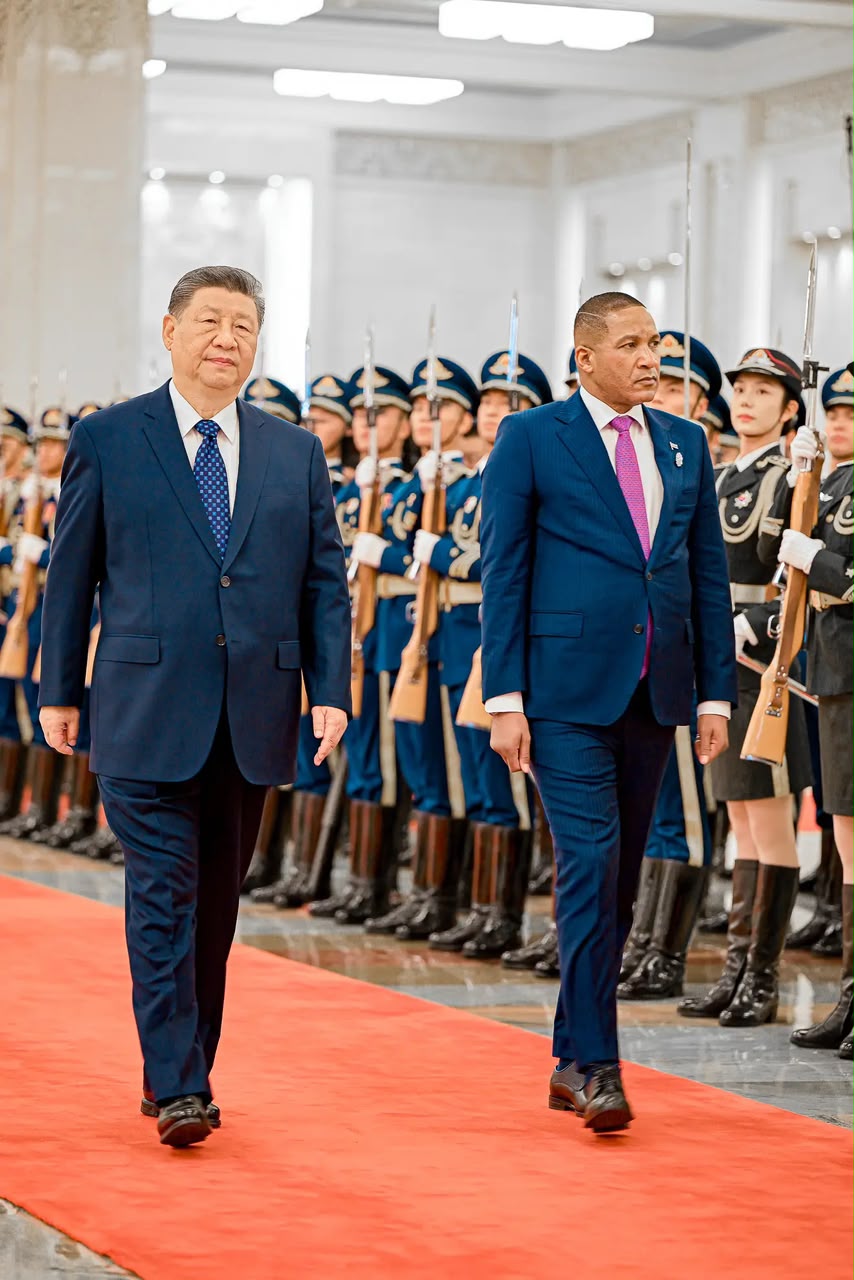
Fast forward to current political realities, and the pattern persists under a different backdrop. Union leadership continues to make national headlines by routinely launching public attacks against President Duma Boko and his administration. Rather than focusing strictly on public sector wage structures or labor disputes, these public critiques frequently cross over into broad governance, political appointments, and state policy decisions that bear little direct connection to core union activities. When union leaders assume the role of full-time political commentators, it becomes difficult to distinguish where legitimate labor representation ends and partisan opposition begins.
Corruption Allegations and Institutional Friction
This drift into public political drama is further complicated by severe friction between the labor movement and state institutions. The relationship reached a breaking point when Director of Public Prosecutions (DPP) Kgosiitsile Ngakaagae publicly challenged union leadership, cautioning that prosecutors were targeting financial irregularities and corruption within union-managed bodies, including alleged misappropriation linked to massive worker pension funds.
The response from labor leaders was swift and hostile. Unions immediately hit back, accusing the DPP of engaging in a public relations campaign, seeking to tarnish the reputation of labor leadership, and interfering in matters beyond his remit. While trade unions naturally have a right to defend their leadership against unproven accusations, these public altercations highlight a broader, concerning dynamic. When union executives spend substantial energy and resources battling law enforcement officials and political figures in public forums, the primary beneficiaries are rarely the ordinary workers struggling with stagnant pay or unsafe working conditions.
The Risk of Forfeiting the Core Mandate
Delving so deeply into political activism presents grave risks to the integrity of the labor movement. When trade unions align themselves too closely with political factions—or position themselves as permanent political antagonists—they forfeit their ability to serve as neutral, trusted negotiators. Every statement, strike threat, or grievance is then viewed through a partisan lens, making constructive social dialogue with the government of the day nearly impossible.
Furthermore, political involvement inevitably divides the membership. The thousands of public service workers who pay monthly union dues hold diverse political views and vote for various political parties. When union leaders use their collective platforms to settle political scores or advance specific political figures, they alienate large sections of their own paying members.
By trading the boardroom table for political rallies and press conferences, union leaders risk discrediting the very institutions they were elected to safeguard. If organized labor in Botswana is to regain its standing as a formidable and respected social partner, its leaders must remember their primary duty: prioritizing the welfare, rights, and livelihoods of the Batswana worker above the noisy temptation of political power struggles.